No products in the cart.
- info@khudrang.in
- +91 70422 78866
- +91 9810645418
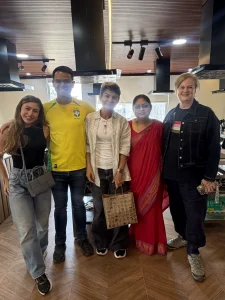
Indian cuisine is loved worldwide for its bold flavors, vibrant colors, and irresistible aromas. Whether you’re enjoying a creamy butter chicken, a comforting bowl of dal, or fragrant biryani, the secret behind every delicious Indian dish lies in its spices.
If you’ve ever wondered, What spices are used in Indian cooking?, you’re not alone. Many beginners believe Indian cooking requires dozens of complicated ingredients, but the truth is much simpler. With a handful of essential spices and the right techniques, you can prepare authentic Indian meals at home.
In this beginner’s guide, we’ll explore the most important spices used in Indian cuisine, explain how they enhance flavor, and share practical tips for using them correctly. If you’re planning a trip to India, you’ll also discover why joining a Cooking Class in Delhi is one of the best ways to understand these spices through hands-on experience.
 Why Are Spices the Heart of Indian Cooking?
Indian food isn’t just about adding heat with chili peppers—it’s about balancing flavors. Every spice has a unique purpose, and when combined thoughtfully, they create dishes that are rich, aromatic, and deeply satisfying.
For centuries, India has been known as the Land of Spices. Traders from around the world traveled here to buy precious spices such as black pepper, cardamom, cinnamon, and cloves. Today, these spices continue to define Indian cuisine and are an essential part of everyday cooking.
Spices in Indian cooking are used to:
Understanding these spices is the first step toward cooking authentic Indian food.
Many people use the words spices and herbs interchangeably, but they are quite different.
| Spices | Herbs |
|---|---|
| Derived from seeds, bark, roots, flowers, or fruits | Derived from the leaves of plants |
| Usually dried | Fresh or dried |
| Strong, concentrated flavors | Fresh, mild flavors |
| Examples: Cumin, Cardamom, Cinnamon | Examples: Mint, Cilantro, Curry Leaves |
Indian cuisine uses both herbs and spices, but spices are the foundation of most traditional recipes.
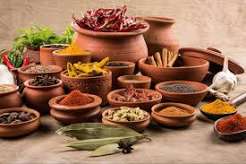 15 Essential Indian Spices Every Beginner Should Know
Turmeric is perhaps the most recognizable Indian spice because of its brilliant golden-yellow color. It is a staple in almost every Indian kitchen and is used in countless recipes.
A small amount of turmeric adds beautiful color and depth to food. It’s usually added early in the cooking process, allowing it to blend well with onions, tomatoes, and other spices.
Cumin is one of the first spices beginners should learn because it appears in hundreds of Indian recipes.
Whole cumin seeds are often tempered in hot oil or ghee before adding other ingredients. This simple step releases their aroma and forms the flavor base for many Indian dishes.
Ground cumin is equally popular and is commonly used in spice blends.
Coriander seeds have a mild citrusy flavor that complements stronger spices like cumin and chili powder.
Ground coriander is often paired with cumin, creating one of the most common flavor combinations in Indian cuisine.
Although tiny in size, mustard seeds play a significant role in Indian cooking, especially in South Indian recipes.
When heated in oil, mustard seeds begin to pop, releasing their distinctive aroma and adding complexity to the dish.
Unlike single spices, Garam Masala is a carefully balanced blend made from several whole spices.
A traditional Garam Masala may include:
Unlike turmeric or cumin, Garam Masala is usually added toward the end of cooking to preserve its fragrance.
Often referred to as the Queen of Spices, cardamom is famous for its sweet and fragrant aroma.
There are two main varieties:
Indian cinnamon is prized for its delicate sweetness and woody aroma.
Small pieces of cinnamon bark are fried in oil before adding onions and tomatoes. This technique allows the spice to infuse the dish with its rich aroma.
Cloves are small flower buds with a strong aroma and warm flavor. Even a few cloves can completely change the taste of a dish.
Because cloves have an intense flavor, they should be used in moderation. Whole cloves are usually added to hot oil at the beginning of cooking, allowing their aroma to infuse the dish.
Known as the “King of Spices,” black pepper has been grown in India for centuries and was once one of the world’s most valuable trading commodities.
Freshly ground black pepper offers a brighter and more aromatic flavor than pre-ground pepper, making it a great finishing spice.
Fennel seeds are naturally sweet and refreshing, making them one of the easiest spices for beginners to enjoy.
In many Indian restaurants, roasted fennel seeds are served after meals as a natural mouth freshener.
Fenugreek is used in several forms, including seeds and dried leaves (Kasuri Methi). Both offer distinct flavors and are widely used in Indian cooking.
Kasuri Methi is often crushed between your palms and sprinkled over a dish just before serving to enhance its aroma.
Although Hing has a strong smell in its raw form, it develops a savory, onion-like aroma once cooked.
A tiny pinch is enough to flavor an entire dish, making Hing one of the most concentrated spices in Indian cooking.
Indian bay leaves differ from the Mediterranean variety and provide a subtle aroma to slow-cooked dishes.
The leaf is usually removed before serving, as its purpose is to infuse the dish with fragrance.
Nigella seeds are tiny black seeds that add a unique depth of flavor to Indian dishes.
Their distinctive flavor makes them a favorite ingredient in regional Indian recipes.
Red chili powder adds both heat and vibrant color to Indian food.
Beginners should start with small quantities and adjust the spice level according to their preference.
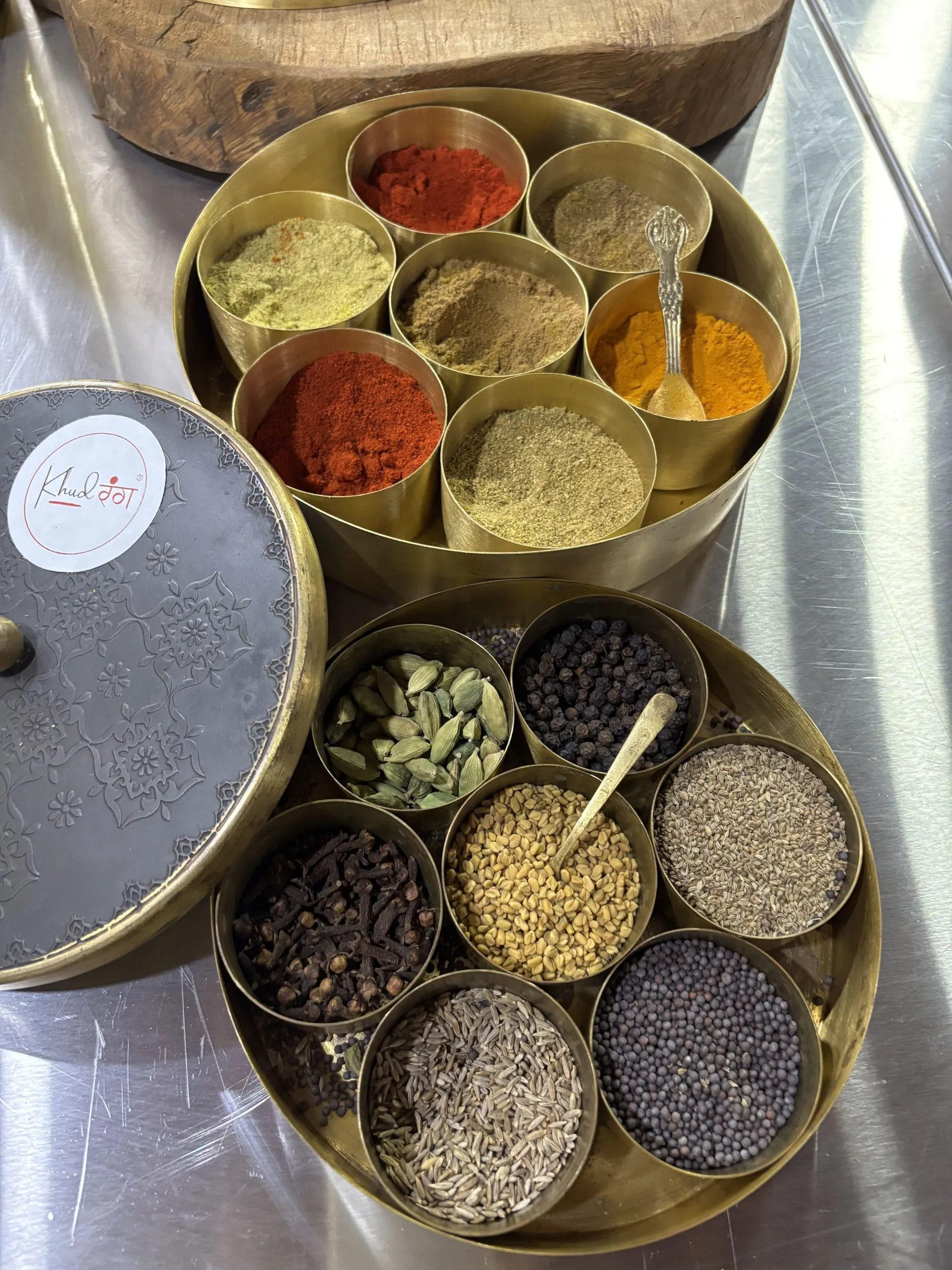 Build Your First Indian Spice Box (Masala Dabba)
One of the easiest ways to begin cooking Indian food is by creating your own Masala Dabba, a traditional Indian spice box.
A beginner-friendly spice box should include:
With these eight essentials, you’ll be able to prepare a wide variety of Indian recipes, from comforting dals to flavorful curries and rice dishes.
To preserve freshness, always store your spices in airtight containers and keep them away from heat, moisture, and direct sunlight.
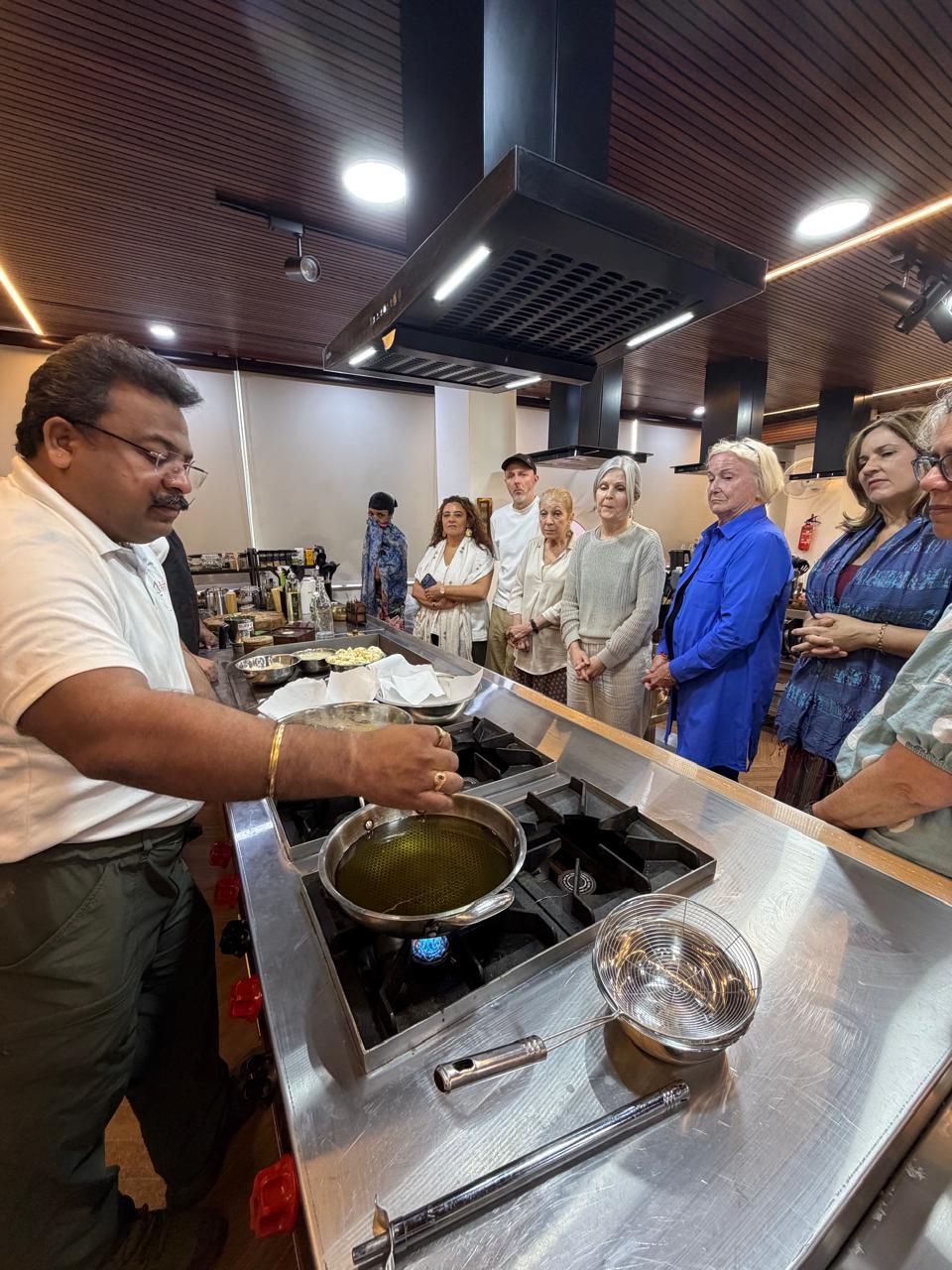 Reading about Indian spices is helpful, but truly understanding them comes from using them yourself. The aroma of freshly roasted cumin, the crackle of mustard seeds in hot oil, or the fragrance of cardamom cannot be fully appreciated through recipes alone.
That’s why many international travelers choose to join a Cooking Class in Delhi during their visit. A hands-on cooking experience allows you to identify spices by sight, smell, and taste while learning when and how to use them in authentic Indian recipes.
At Khudrang, you’ll cook alongside experienced local chefs who explain the role of every spice, demonstrate traditional cooking techniques, and help you prepare classic Indian dishes from scratch. Instead of simply following instructions, you’ll gain practical knowledge that you can take home and recreate in your own kitchen.
Whether you’re a complete beginner or a passionate home cook, learning directly from local experts makes Indian cooking easier, more enjoyable, and far more memorable.
Learning how to use spices is just as important as knowing which spices to buy. Here are some common mistakes to avoid:
Different spices release their flavors at different stages of cooking. Whole spices are often tempered first, while Garam Masala is added near the end.
More spices don’t always mean better flavor. Indian cooking is about balance, not overpowering heat.
Tempering whole spices in hot oil or ghee releases essential oils and creates the aromatic base for many Indian dishes.
Spices lose their aroma over time. Buying fresh spices in smaller quantities ensures better flavor.
Indian cuisine is incredibly diverse. A North Indian curry may use different spices than a South Indian or Bengali recipe, so don’t expect every dish to taste the same.
While books and videos can teach you recipes, nothing compares to learning Indian cooking from local experts.
Joining a Local Cooking Class in Delhi gives you the opportunity to explore Indian spices in a practical and engaging way. Instead of simply reading about cumin or cardamom, you’ll smell freshly roasted spices, learn how to temper them correctly, and understand how each ingredient contributes to the final dish.
At Khudrang, experienced local chefs guide participants through every step of the cooking process. You’ll discover the stories behind traditional spice blends, learn family recipes, and prepare authentic Indian meals using fresh ingredients.
The experience goes beyond cooking. You’ll gain insights into Indian culture, regional food traditions, and everyday kitchen techniques that are difficult to learn from recipes alone. Whether you’re traveling solo, with friends, or as a family, a local cooking class offers a memorable cultural experience that you can recreate at home.
If you’re interested in spice tasting how these spices are used beyond the kitchen, consider exploring Delhi’s vibrant street food scene through a Food Tour in Delhi. It’s a great way to experience iconic dishes, regional flavors, and the real-life use of many of the spices you’ve just learned about.
Now that you know the essential spices used in Indian cooking, the next step is learning how to use them correctly. Even professional chefs agree that technique is just as important as the spices themselves.
Here are some practical tips that will help you cook authentic Indian food with confidence.
Whole spices retain their natural oils and aroma much longer than ground spices.
Common whole spices include:
When heated in oil or ghee, these spices release flavors that create the foundation of many Indian dishes.
One of the most important techniques in Indian cooking is Tadka, also known as tempering.
This involves heating oil or ghee and briefly frying whole spices before adding onions, tomatoes, or other ingredients.
A simple tadka may include:
This simple technique instantly enhances the aroma and flavor of the dish.
Ground spices such as turmeric, coriander powder, cumin powder, and red chili powder are usually added after onions and tomatoes have cooked.
Adding them too early may burn the spices, while adding them too late may leave them tasting raw.
Timing makes a significant difference.
Many beginners mistakenly cook Garam Masala for a long time.
Instead, sprinkle it during the final few minutes of cooking.
This preserves its fragrance and gives the dish a rich finishing aroma.
Indian cooking is flexible.
Always taste your food before serving.
You can easily adjust:
Small adjustments often make the biggest difference.
Certain spices naturally complement one another.
Some classic combinations include:
Learning these combinations makes it much easier to create authentic Indian flavors without memorizing complicated recipes.
Turmeric, cumin, coriander, and Garam Masala are considered the foundation of many Indian recipes.
No, indian food is flavorful rather than simply spicy. Many dishes are mild and aromatic, making them suitable for beginners.
Absolutely, starting with six to eight essential spices is enough to prepare dozens of traditional recipes.
Whole spices generally remain flavorful for up to two years, while ground spices are best used within six to twelve months when stored properly.
Whole spices stay fresh longer and offer better flavor.
Grinding them just before cooking provides the best results.
Hands-on cooking classes are one of the easiest ways to understand spices, cooking techniques, and traditional recipes.
If you’ve enjoyed learning about Indian spices, imagine experiencing them with all your senses.
Instead of simply reading recipes, you’ll smell freshly roasted cumin, hear mustard seeds crackle in hot oil, grind aromatic spice blends, and prepare authentic Indian dishes under the guidance of experienced local chefs.
This is exactly what you’ll experience at Khudrang.
Recognized by travelers from around the world, Khudrang offers an immersive Cooking Class in Delhi where food lovers can explore the rich traditions of Indian cuisine in a welcoming and interactive environment.
Learn from experienced local chefs.
Whether you’re visiting India for the first time or you’re already passionate about cooking, Khudrang provides an authentic culinary experience that goes far beyond a typical cooking lesson.
Once you’ve learned how Indian spices work in the kitchen, the next step is experiencing them in their natural setting.
Delhi is home to some of India’s most iconic street food, where many of these spices come alive in dishes such as Chole Bhature, Aloo Tikki, Parathas, Kebabs, Jalebi, and Chaat.
To discover these authentic flavors, you can also join a Food Tour in Delhi, where you’ll explore local markets, historic neighborhoods, and legendary food vendors while tasting traditional recipes prepared with the very spices you’ve learned about in this guide.
Indian cooking is much more than following recipes—it’s about understanding ingredients, respecting traditions, and creating balance through carefully chosen spices.
By learning the role of turmeric, cumin, coriander, cardamom, cinnamon, cloves, mustard seeds, fennel, fenugreek, and other essential spices, you’ve already taken the first step toward mastering authentic Indian cuisine.
The best way to deepen that knowledge is through hands-on practice. Joining a Cooking Class in Delhi allows you to see, smell, taste, and cook with these spices under the guidance of experienced local chefs, giving you confidence to recreate authentic Indian dishes wherever you are.
Whether your goal is to impress friends with homemade curry, understand India’s rich culinary heritage, or simply enjoy a memorable cultural activity during your trip, learning Indian spices is an experience you’ll carry with you long after the meal is over.
At Khudrang, every recipe tells a story, every spice has a purpose, and every cooking session becomes a journey into the heart of Indian cuisine.


